The problem
The UK CBD market is worth hundreds of millions of pounds, and regulation is still catching up. That creates a gap — between what brands claim and what products actually deliver.
An independent analysis of 29 commercially available CBD oils in the UK found that the average advertised CBD content was 4.5%, but the actual measured content was only 3.2%. Some products contained residual solvents. Others had detectable levels of lead and arsenic. A separate study in 2023 suggested that 92% of UK CBD products contained less CBD than stated on the label.
That is not a typo. Ninety-two percent.
If you are spending your money on CBD, you deserve to know what you are actually buying. This guide will show you exactly what to check before you hand over a penny.
1. Check the Novel Food status
This is the single most important check you can make, and most buyers skip it entirely.
CBD products sold as food or food supplements in the UK are classified as novel foods under UK law. That means they legally require authorisation from the Food Standards Agency before they can be sold. The FSA maintains a public list of CBD products that are linked to validated novel food applications.
As of 2026, no CBD product in the UK has received full novel food authorisation yet, but several companies have received positive safety assessments from the FSA and are progressing through the final stages. These include Pureis, Cannaray, Brains Bioceutical, cbdMD, and Bridge Farm Group.
Products that appear on the FSA's public list with a status of "Validated" or "Awaiting evidence" are permitted to remain on the market while the authorisation process continues. The FSA has recommended that products not on the list should be removed from sale — and in 2025, 102 products were removed from the list.
What this means for you: Before buying any CBD product, check whether it appears on the FSA's public list at data.food.gov.uk/cbd-products. If it is not there, the manufacturer has either not applied for authorisation or their application was unsuccessful. Either way, it tells you something about how seriously they take compliance — and how seriously you should take their product.
2. Understand the FSA's daily limit
In October 2023, the FSA significantly reduced its recommended maximum daily intake for CBD from 70mg to 10mg per day for healthy adults. This figure is based on a 70kg adult and equates to approximately 0.15mg per kilogram of body weight per day.
This is important for two reasons.
First, many CBD products on the market still carry labelling based on the old 70mg guidance. If your product recommends a dose that exceeds 10mg per day, it has not updated its labelling in line with the FSA's current advice.
Second, the 10mg limit is considerably lower than what most clinical studies use. Research into CBD for anxiety, for example, typically involves doses of 150mg to 600mg. We will discuss this gap in more detail in a separate article, but for now, the takeaway is that the FSA's guidance is based on a precautionary principle rather than therapeutic effectiveness.
What this means for you: Be aware that 10mg is the recommended maximum, not a target dose. It also means the cost per milligram of CBD matters more than ever, because you are working with smaller quantities. A product advertising 1000mg per bottle at a dose of 10mg per day will last you over three months — worth knowing before you compare prices.
The FSA also advises that vulnerable groups should avoid CBD entirely unless under medical direction. This includes children under 18, pregnant or breastfeeding women, those trying to conceive, and anyone taking regular medication.
3. Demand third-party lab reports
Any reputable CBD brand will have their products independently tested by an accredited third-party laboratory. These test results are called Certificates of Analysis, or CoAs. They are the single best indicator of whether a product contains what it claims to contain.
A proper CoA should confirm:
- The actual CBD content matches what is stated on the label (within a 10% tolerance is generally considered acceptable)
- THC levels are below the UK legal limit
- The product is free from heavy metals, pesticides, and residual solvents
- The product has been tested for microbiological contamination
Look for CoAs that are batch-specific, meaning they relate to the specific production batch of the product you are buying, not a generic test from two years ago. The CoA should include the name of the testing laboratory, the date of testing, and a batch or lot number you can cross-reference with the product packaging.
What this means for you: If a brand does not publish lab reports, or makes them difficult to find, that is a red flag. If the lab reports are not batch-specific, that is also a red flag. If the brand tells you the lab reports are "available on request" but does not display them on their website, ask yourself why they are not making them easily accessible.
UKAS accreditation of the testing laboratory is the gold standard in the UK. Check whether the lab that conducted the testing holds this accreditation.
4. Understand the three types of CBD
CBD products come in three main formulations. Understanding the differences will help you make a more informed choice.
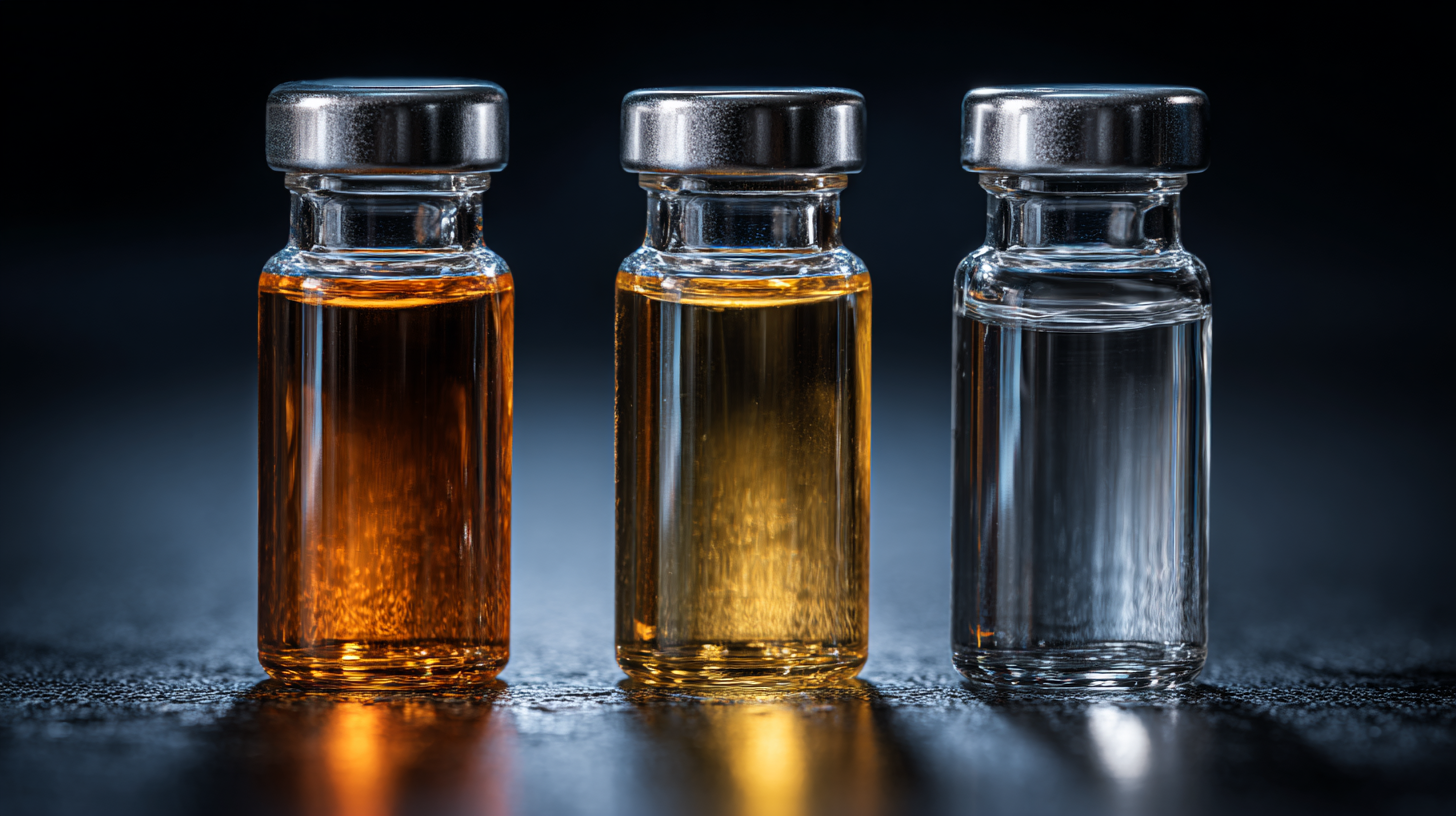
Full-spectrum CBD contains CBD alongside all the other naturally occurring cannabinoids in the hemp plant, including trace amounts of THC (below the UK legal limit of 0.2%), as well as terpenes and flavonoids. Some researchers believe these compounds work synergistically in what is referred to as the entourage effect, potentially enhancing the overall benefit. However, the entourage effect is a theory supported by preclinical evidence rather than conclusive clinical proof.
Broad-spectrum CBD is similar to full-spectrum but with the THC removed entirely. This is a reasonable option if you are subject to workplace drug testing or simply prefer to avoid THC altogether.
CBD isolate is pure CBD, with all other cannabinoids, terpenes, and plant compounds removed. It is typically the cheapest option per milligram. You lose the potential benefits of the entourage effect, but you gain certainty about exactly what you are consuming.
What this means for you: None of these is objectively better than the others. The right choice depends on your circumstances. If you want the fullest potential benefit and are not concerned about trace THC, full-spectrum is the logical starting point. If drug testing is a factor, broad-spectrum or isolate makes more sense. Be wary of brands that present one type as universally superior — that is marketing, not science.
5. Calculate cost per milligram
This is the comparison metric that levels the playing field, and the one most buyers overlook.
Do not compare CBD products by bottle price. A £20 bottle and a £60 bottle might contain the same amount of CBD — or the cheaper one might actually contain more. The only honest way to compare is cost per milligram of CBD.
The formula is simple:
Bottle price ÷ total mg of CBD = cost per mg
For example, a £40 bottle containing 1000mg of CBD costs 4p per milligram. A £25 bottle containing 500mg costs 5p per milligram. The apparently cheaper product is actually more expensive dose for dose.
In the current UK market, you would typically expect to pay between 3p and 12p per milligram for a quality product. Anything significantly above that range should offer a clear justification for the premium — proprietary extraction methods, added functional ingredients, or pharmaceutical-grade testing.
What this means for you: Always check the total CBD content in milligrams (not the percentage, which requires you to factor in bottle volume). Calculate the cost per milligram. Compare like for like. This single calculation will immediately filter out overpriced products.
6. Be sceptical of health claims
UK regulations prohibit CBD brands from making specific health claims about their products. CBD is sold as a food supplement, not a medicine. If a product's marketing tells you it "cures" anything, "treats" a specific condition, or makes bold therapeutic promises, that brand is either ignorant of the regulations or deliberately ignoring them.
Neither scenario should fill you with confidence.
Responsible brands will talk about general wellbeing, relaxation, and balance. They will not promise to cure your insomnia, eliminate your anxiety, or fix your chronic pain. The research into CBD is genuinely promising for several conditions, but it is not yet at the stage where definitive therapeutic claims can be made for over-the-counter products.
What this means for you: Treat aggressive health claims as a warning sign, not a selling point. A brand that overstates the evidence is showing you that marketing comes before accuracy. If they are willing to mislead you about what the product does, what else are they willing to mislead you about?
7. Check the extraction method
The method used to extract CBD from the hemp plant affects the purity and quality of the final product. There are several extraction methods used commercially, but two dominate the UK market.
CO2 extraction (specifically supercritical CO2) is widely regarded as the gold standard. It produces a clean extract without residual solvents, preserves the cannabinoid and terpene profile, and allows for precise control over what ends up in the final product. Most reputable UK brands use this method.
Solvent extraction uses chemicals such as ethanol, butane, or hexane to dissolve the cannabinoids from the plant material. It is cheaper than CO2 extraction but carries a higher risk of residual solvents ending up in the final product — which is exactly what the independent analysis of UK CBD oils found in some products.
What this means for you: Check the product packaging or the brand's website for information about the extraction method. If a brand does not disclose their extraction process, that is not necessarily a dealbreaker, but it is another data point to consider alongside everything else. CO2 extraction is the safest bet if the information is available.
The five-point quick check
Before buying any CBD product in the UK, run it through this checklist:
- Is it on the FSA's Novel Food public list?
- Does the brand provide batch-specific third-party lab reports?
- Does the labelling reflect the current FSA guidance of 10mg per day?
- Is the cost per milligram reasonable (3p to 12p)?
- Does the marketing avoid making specific health claims?
If a product passes all five, you are looking at a brand that takes compliance, transparency, and accuracy seriously. If it fails on two or more, keep looking.
A note on what we do here
Wellness Lab UK reviews CBD and wellness products using a methodology built on evidence, not commercial relationships. We check the lab reports, calculate the real costs, and assess the scientific basis for product claims. When something works, we say so. When it does not, we say that too.
You can read our full review methodology for the detail on how we test and rate every product.